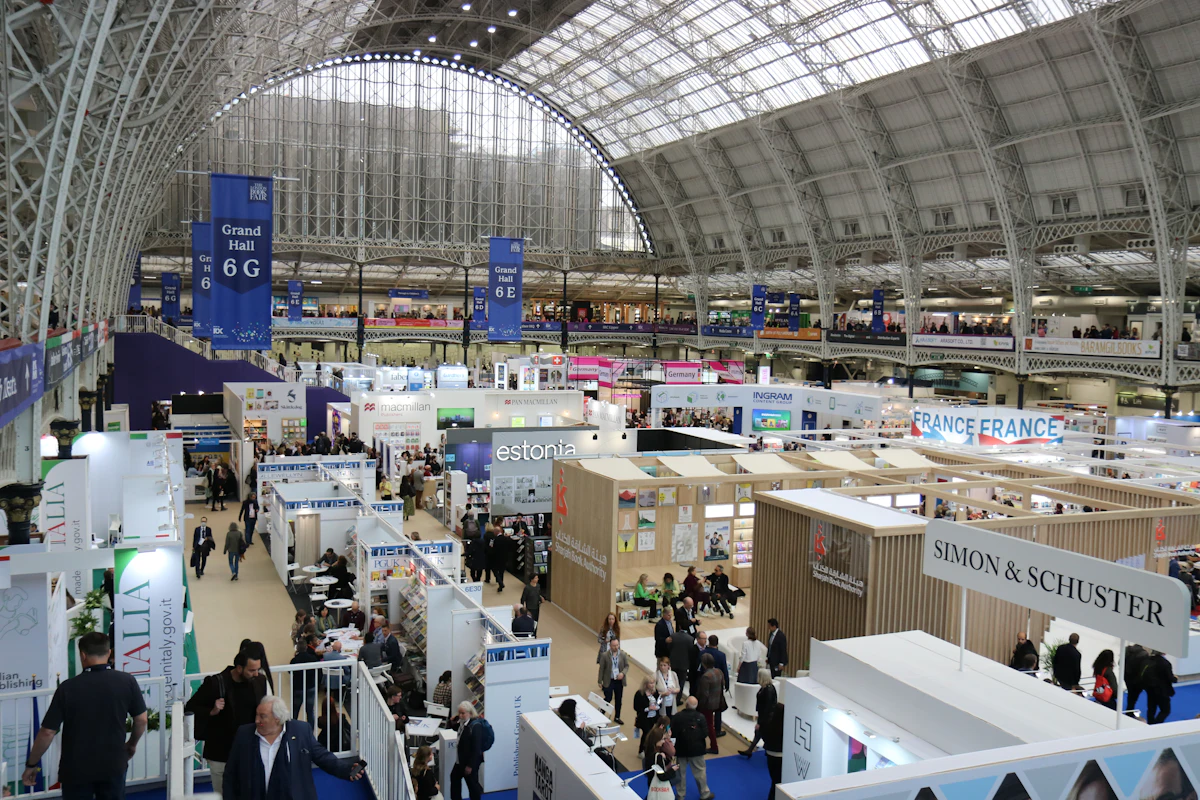


01 · Registrieren
Besucher mit Ticket.
Registrierung mit Zusatzfeldern und Programmwahl je Messetag; jede Registrierung erzeugt ein persönliches QR-Ticket.
 API & IntegrationenCRM und IT anbinden
 Digitale GästelisteEin Datenstand für das ganze Team
 EinladungsmanagementDigitale Einladungen in Ihrem Design
 EinlassmanagementCheck-in, Badges, Gates: der ganze Einlass
 Event-AppProgramm und Ticket auf dem Handy
Event Check-inScan statt Suche am Einlass
Event-AppProgramm und Ticket auf dem Handy
Event Check-inScan statt Suche am Einlass
 Event-CRMKontakte über alle Events
 EventstatistikenAnwesenheit, No-Shows, Auswertung
 Event-TicketingFälschungssichere QR-Tickets
 Event-WebseitenLandingpages ohne Programmierung
 KI im EventmanagementWas KI in jeder Eventphase leistet
 KI-Anbindung (MCP)Claude, ChatGPT oder Copilot an AirLST anschließen
 LeaderfassungLeads am Stand scannen
 NamensschilderDrucken beim Eintreffen
 Online-AnmeldungenFormulare, Zusagen, Begleitpersonen
 Online-UmfragenFeedback nach dem Event
 Sitzplan & SeatingTische und Plätze aus der Gästeliste
 Workflow-AutomationAbläufe automatisieren
 Automotive EventsMarken erlebbar machen.
 Corporate HospitalityVIP-Ticketing: Kontingente, Freigabe, Nachweis.
 Event Management SoftwareViele Events. Ein Standard.
 Festzelt-SoftwareTradition trifft Technologie.
 FilmpremierenPresse, Partner, Gäste.
 FirmeneventsEinladen, anmelden, einlassen.
HauptversammlungenEinladung, Anmeldung, Einlass.
FirmeneventsEinladen, anmelden, einlassen.
HauptversammlungenEinladung, Anmeldung, Einlass.
 KonferenzenKomplexe Events. Ein System.
 MessemanagementAussteller, Besucher, volle Kontrolle.
 Seminar-SoftwareEinfach. Professionell. Jede Veranstaltung.
 Einlass vor OrtTeam, Scanner, Badge-Druck und Gates am Eventtag
 Digitale GarderobeKein Zettel, kein Suchen, keine Verwechslung
Design & ImplementierungIhr Event komplett im Corporate Design
Integration ServicesCRM- und IT-Anbindung, von der Analyse bis zum Betrieb
Digitale GarderobeKein Zettel, kein Suchen, keine Verwechslung
Design & ImplementierungIhr Event komplett im Corporate Design
Integration ServicesCRM- und IT-Anbindung, von der Analyse bis zum Betrieb
 Enterprise-ImplementierungRollout im Konzern mit Begleitung
ConsultingProzesse im Teilnehmermanagement auf dem Prüfstand
IndustrieWerksbesuch, Hausmesse, Lieferantentag
Pharma & MedizintechnikFachkreise, Kodex, Nachweis
Öffentliche HandVergabe, Barrierefreiheit, Datenhaltung
AutomotiveHändlernetz, Launches, TISAX
Enterprise-ImplementierungRollout im Konzern mit Begleitung
ConsultingProzesse im Teilnehmermanagement auf dem Prüfstand
IndustrieWerksbesuch, Hausmesse, Lieferantentag
Pharma & MedizintechnikFachkreise, Kodex, Nachweis
Öffentliche HandVergabe, Barrierefreiheit, Datenhaltung
AutomotiveHändlernetz, Launches, TISAX
 Handel & KonsumgüterMarke, Publikum, Partner
 Banken & VersicherungenCompliance, Einladung, Hauptversammlung
Medien & EntertainmentPremieren, Shows, Publikum
Banken & VersicherungenCompliance, Einladung, Hauptversammlung
Medien & EntertainmentPremieren, Shows, Publikum
 Sport & HospitalityLogen, Kontingente, Einlass
EventagenturenMehrere Kunden, ein System
ZalandoDigital Acceleration Summit
Flughafen München80.000 Teilnehmer, ein System
ProSiebenSat.1Teilnehmermanagement für GNTM
AmazonFilmpremieren für Prime Video
Mercedes-BenzSupplier Award mit 900 Teilnehmern
About YouAward-Show mit 900 Teilnehmern
Zalando Fashion WeekVirtuelles Event mit 800 Gästen
Interhyp30 Events mit einem Design-Modell
medi30 Events, 4.500 Teilnehmer
Sport & HospitalityLogen, Kontingente, Einlass
EventagenturenMehrere Kunden, ein System
ZalandoDigital Acceleration Summit
Flughafen München80.000 Teilnehmer, ein System
ProSiebenSat.1Teilnehmermanagement für GNTM
AmazonFilmpremieren für Prime Video
Mercedes-BenzSupplier Award mit 900 Teilnehmern
About YouAward-Show mit 900 Teilnehmern
Zalando Fashion WeekVirtuelles Event mit 800 Gästen
Interhyp30 Events mit einem Design-Modell
medi30 Events, 4.500 Teilnehmer
 TelefónicaEvents im Corporate Design
UhlmannHausmesse mit Lead-Erfassung
EngieTeilnehmermanagement seit 2014
EssityEvent für das Top-Management
IHK UlmAbsolventenfeier mit 900 Gästen
TelefónicaEvents im Corporate Design
UhlmannHausmesse mit Lead-Erfassung
EngieTeilnehmermanagement seit 2014
EssityEvent für das Top-Management
IHK UlmAbsolventenfeier mit 900 Gästen

 API & IntegrationenCRM und IT anbindenDigitale GästelisteEin Datenstand für das ganze TeamEinladungsmanagementDigitale Einladungen in Ihrem DesignEinlassmanagementCheck-in, Badges, Gates: der ganze EinlassEvent-AppProgramm und Ticket auf dem HandyEvent Check-inScan statt Suche am EinlassEvent-CRMKontakte über alle EventsEventstatistikenAnwesenheit, No-Shows, AuswertungEvent-TicketingFälschungssichere QR-TicketsEvent-WebseitenLandingpages ohne ProgrammierungKI im EventmanagementWas KI in jeder Eventphase leistetKI-Anbindung (MCP)Claude, ChatGPT oder Copilot an AirLST anschließenLeaderfassungLeads am Stand scannenNamensschilderDrucken beim EintreffenOnline-AnmeldungenFormulare, Zusagen, BegleitpersonenOnline-UmfragenFeedback nach dem EventSitzplan & SeatingTische und Plätze aus der GästelisteWorkflow-AutomationAbläufe automatisierenAutomotive EventsMarken erlebbar machen.Corporate HospitalityVIP-Ticketing: Kontingente, Freigabe, Nachweis.Event Management SoftwareViele Events. Ein Standard.Festzelt-SoftwareTradition trifft Technologie.FilmpremierenPresse, Partner, Gäste.FirmeneventsEinladen, anmelden, einlassen.HauptversammlungenEinladung, Anmeldung, Einlass.KonferenzenKomplexe Events. Ein System.MessemanagementAussteller, Besucher, volle Kontrolle.Seminar-SoftwareEinfach. Professionell. Jede Veranstaltung.IndustrieWerksbesuch, Hausmesse, LieferantentagPharma & MedizintechnikFachkreise, Kodex, NachweisÖffentliche HandVergabe, Barrierefreiheit, DatenhaltungAutomotiveHändlernetz, Launches, TISAXHandel & KonsumgüterMarke, Publikum, PartnerBanken & VersicherungenCompliance, Einladung, HauptversammlungMedien & EntertainmentPremieren, Shows, PublikumSport & HospitalityLogen, Kontingente, EinlassEventagenturenMehrere Kunden, ein SystemEinlass vor OrtTeam, Scanner, Badge-Druck und Gates am EventtagDigitale GarderobeKein Zettel, kein Suchen, keine VerwechslungDesign & ImplementierungIhr Event komplett im Corporate DesignIntegration ServicesCRM- und IT-Anbindung, von der Analyse bis zum BetriebEnterprise-ImplementierungRollout im Konzern mit BegleitungConsultingProzesse im Teilnehmermanagement auf dem PrüfstandÜber AirLSTKöpfe, Geschichte, HaltungTrust CenterDSGVO, TISAX, Hosting in DeutschlandKarriereOffene Stellen in MünchenZalandoDigital Acceleration SummitFlughafen München80.000 Teilnehmer, ein SystemProSiebenSat.1Teilnehmermanagement für GNTMAmazonFilmpremieren für Prime VideoMercedes-BenzSupplier Award mit 900 TeilnehmernAbout YouAward-Show mit 900 TeilnehmernZalando Fashion WeekVirtuelles Event mit 800 GästenInterhyp30 Events mit einem Design-Modellmedi30 Events, 4.500 TeilnehmerTelefónicaEvents im Corporate DesignUhlmannHausmesse mit Lead-ErfassungEngieTeilnehmermanagement seit 2014EssityEvent für das Top-ManagementIHK UlmAbsolventenfeier mit 900 GästenChecklisten & VorlagenTeilnehmermanagement fürs EventGuidesPraxis-Guides mit ChecklistenStudien & InsightsDaten zum TeilnehmermanagementVergleicheSoftware und Ansätze im VergleichWebinareAufzeichnungen und TermineGlossarBegriffe in einem Satz erklärtFAQAntworten zu Vertrag, Daten, AblaufKontakt aufnehmenNachricht schreiben, wir melden unsTermin buchenTermin direkt im Kalender wählenLogin zur PlattformFür bestehende KundenNewsletterNeuigkeiten, ein- bis zweimal im Monat
Wer sich registriert, bekommt sein Ticket; wer eingelassen wird, sein Namensschild; wer am Stand gescannt wird, wird zum qualifizierten Lead. Hausmesse, Fachmesse, Kongressmesse auf einem Datenstand.



 Registrierung
Ticket
Registrierung
Ticket
 Badge
Lead
CRM
Badge
Lead
CRM
Registrierung mit Zusatzfeldern und Programmwahl je Messetag; jede Registrierung erzeugt ein persönliches QR-Ticket.
Registrierung in mehreren Sprachen, Ticket und Badge auf denselben Datensatz, Auswertung je Land.
Aussteller melden ihr Standpersonal im Portal; das Kontingent je Stand regelt, wie viele Badges es gibt.
Scan am Einlass, Namensschild mit Barcode kommt an der Druckstation in nahezu Echtzeit.
Standpersonal scannt den Badge und qualifiziert das Gespräch; die Lead-Liste geht zum Eventende an jeden Aussteller. Mehr zur Leaderfassung.
Sieht Registrierungen und Einlass je Messetag.

Melden ihr Standteam im Portal, im eigenen Kontingent.
Scannt das Ticket und druckt das Namensschild am Counter.
Scannt Besucher am Stand und qualifiziert das Gespräch.
 Trend + Technik 2026
Referenz · Sonepar
Trend + Technik 2026
Referenz · Sonepar
Sonepar tourt mit der Fachmessen-Reihe Trend + Technik 2026 von April bis November durch 13 Standorte. Jede Station hat ihre eigene Event-Seite auf AirLST: Programm, Countdown und Anmeldung mit Teilnehmergruppen, Vorträgen und Stadionführung im Kontingent. Das Ausstellerverzeichnis läuft in der Event-App, dahinter Ausstellerportal und Standkonfiguration.
13Stationen bundesweit8Teilnehmergruppen in der Anmeldung100+Aussteller allein in StuttgartDen Einlass mit 80.000 Teilnehmern über 20 Check-in-Points zeigt die Referenz Flughafen München, dazu Besuchermanagement.
Alle Referenzen und Case Studies →Messemanagement-Software organisiert die Teilnehmer einer Messe: die Registrierung der Besucher, die Anmeldung von Ausstellern mit Standpersonal und Gästen, den Einlass mit Ticket und Namensschild und die Erfassung von Leads am Stand. Sie unterscheidet sich von Messeplanungs-Tools, die Hallenpläne und Standvergabe verwalten, und von Ticketshops, die nur verkaufen: Messemanagement-Software führt Besucher, Aussteller und Leads über den gesamten Messetag in einem Datensatz.
Bei AirLST ist das keine eigene Anwendung, sondern die Eventplattform, konfiguriert für die Messe: Gästegruppen für Besucher, Aussteller und Standpersonal, Kontingente je Aussteller und je Messetag, Formulare je Gruppe, Badge-Druck am Einlass, Leaderfassung am Stand.
Besucher, Aussteller und Leads über den ganzen Messetag in einem Datensatz.
Je Besucher: Name, Firma, Funktion, Kontakt, Gästegruppe, Messetag, Programmpunkte, Interessen, Begleitpersonen, Ticket, Einlass mit Uhrzeit, Leads je Stand. Je Aussteller: Firma, Ansprechpartner, Stand, Kontingente für Standpersonal und Gäste, Anmeldestand, Leads. Je Messetag: Kapazität, Anwesenheit, No-Shows.
Die Bausteine dafür sind Standard bei AirLST: Einladungsmanagement, Online-Anmeldung mit Kontingenten, Gästeliste mit Gruppen, QR-Ticket, Check-in-App mit Badge-Druck, Namensschilder mit Barcode, REST-API und Konnektoren, Eventstatistiken, Event-Webseiten. Für Zutrittskontrolle, Drucker und Personal vor Ort das Einlassmanagement.
Für jedes Format mit Besuchern und Ausstellern: die Hausmesse eines Herstellers mit Kunden, Partnern und Werksführungen, die Fachmesse eines Verbands mit Ausstellerportal und Leaderfassung, die Ausstellung neben einem Kongress mit einem Badge für Programm und Halle, den Ausstellerabend mit Gästelisten je Aussteller, die Jobmesse und den Infotag mit öffentlicher Registrierung und Zeitfenstern.
Indem der Lead derselbe Datensatz ist wie der Besucher: Der QR-Code auf dem Namensschild findet den Gast in der Gästeliste, das Standteam qualifiziert das Gespräch in einem gemeinsamen Formular, und die Lead-Liste geht zum Eventende an jeden Aussteller. Kein Abtippen von Visitenkarten, keine Liste, die nach der Messe zusammengeführt wird. Wie das im Detail funktioniert, für Veranstalter und für Aussteller auf fremden Messen, zeigt die Funktion Leaderfassung.
Nach der Messe zählt, wie schnell der Vertrieb die richtigen Kontakte bekommt. Die Leads aus der Leaderfassung liegen bereits strukturiert vor, mit der Qualifizierung aus dem Standgespräch; in der Exhibitor Edition gehen sie über die von AirLST betriebene HubSpot-Anbindung ins CRM. Ein KI-Assistent setzt darauf auf: Er ordnet Leads nach Interesse, schlägt je Kontakt einen Folgeschritt vor und schreibt einen Bericht je Messe für die Vertriebsleitung. Dieser KI-Bericht ist eine individuelle Integration, die bei der Systemkonfiguration eingerichtet wird. Weitere Anwendungen vor, während und nach der Messe beschreibt KI im Eventmanagement.
„Welche Leads vom zweiten Messetag wünschen ein Angebot, und wer aus dem Standteam hat mit ihnen gesprochen?“
Besucher, Aussteller, Einlass, Leads: Wir zeigen Ihnen im Gespräch, wie Ihre Hausmesse oder Fachmesse in AirLST konfiguriert wird.